

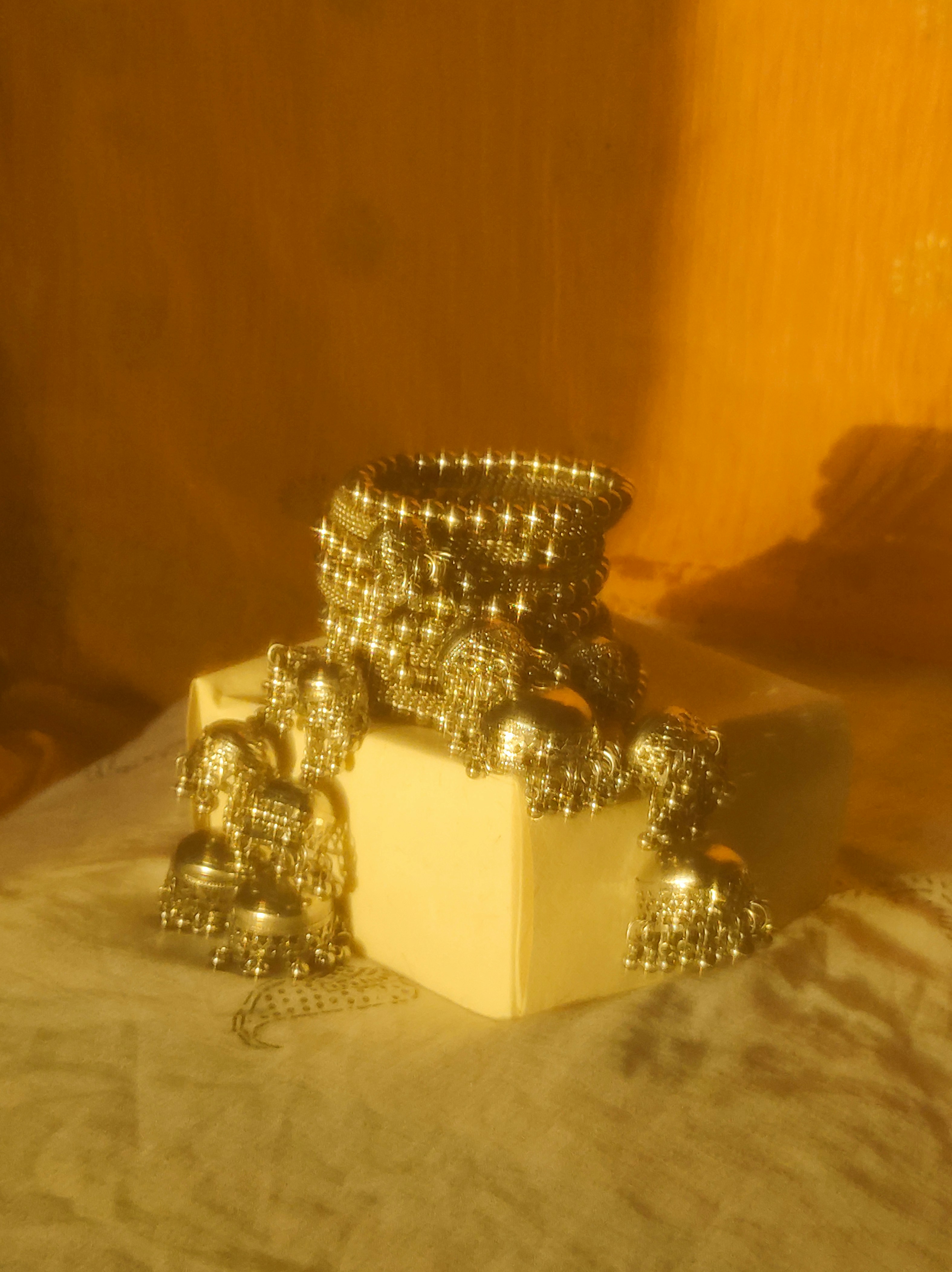
Introduction to Anti-Tarnish Jewelry
Anti-tarnish jewelry has emerged as a significant trend in the global accessory market, attributed to its unique properties that ensure lengthy durability and consistent aesthetic appeal. Tarnish, primarily caused by the oxidation of metals such as silver, can lead to unsightly discoloration and loss of luster over time. To combat this issue, manufacturers have adopted advanced techniques and innovative materials that impart anti-tarnish qualities to their jewelry pieces.
Typically, anti-tarnish jewelry is crafted using metals that are alloyed with non-tarnishing components. For instance, sterling silver can be alloyed with materials such as rhodium or zinc to create a protective layer that significantly reduces tarnishing. Jewelry makers may also apply specialized coatings, such as nano-coatings, that act as barriers against environmental factors that contribute to tarnish formation. These methods not only enhance the longevity and quality of the jewelry but also cater to consumers seeking low-maintenance options without compromising on style.
The significance of anti-tarnish properties is particularly relevant among Indian consumers, who place a high value on both durability and aesthetic appeal in their jewelry choices. With India’s rich heritage of jewelry craftsmanship, there is a growing demand for designs that retain their brilliance over time without frequent re-polishing or maintenance efforts. Therefore, the adoption of anti-tarnish technologies aligns well with the expectations of consumers who desire jewelry that is both beautiful and practical.
As we move toward 2025, the focus on anti-tarnish jewelry is anticipated to grow, driven by evolving consumer preferences and innovations in jewelry-making techniques. The future will likely see an expansion in the variety of anti-tarnish products available in the market, catering to a diverse audience while enhancing the overall jewelry experience.
The Evolution of Jewelry Preferences in India
Over the years, the jewelry preferences of Indian consumers have undergone significant transformations. Traditionally, Indian jewelry was characterized by heavy gold pieces adorned with precious stones, evoking a sense of heritage and craftsmanship. However, as societal norms evolve and modern aesthetics take precedence, there has been a marked shift towards lighter, more versatile options.
In recent years, there has been increasing popularity of contemporary materials such as silver, platinum, and alloyed metals, which are not only more affordable but also provide a modern appeal. The rise in demand for anti-tarnish jewelry, specifically designed with innovative coatings that preserve the shine and luster over time, showcases this shift. Consumers are now more aware of the necessity for low-maintenance options that can seamlessly blend with both traditional and contemporary attire.
Furthermore, fashion trends have significantly influenced jewelry preferences in India. The impact of global fashion movements and social media has led to a preference for minimalist designs over elaborate ornamentation. This trend aligns with the evolving lifestyle choices of consumers, who prioritize functionality and comfort while still desiring stylish pieces. Anti-tarnish jewelry fits perfectly into this modern narrative, as it offers both aesthetic appeal and practicality. As people thrive on social platforms showcasing their fashion choices, the need for jewelry that retains its beauty without extensive upkeep has grown tremendously.
Moreover, there is an increasing emphasis on sustainability and ethical sourcing among consumers. This awareness is driving a trend toward materials that are not only fashionable but also environmentally friendly. Anti-tarnish jewelry often meets these criteria, as many manufacturers are now focusing on eco-conscious processes in the creation of their pieces. The evolution of jewelry preferences in India reflects the dynamic interplay of tradition and modernity, showcasing a market that is increasingly diverse and conscious of its choices.
Key Players in the Anti-Tarnish Jewelry Market
The anti-tarnish jewelry market in India has seen significant growth in recent years, with several key players emerging as leaders in this niche segment. These brands have recognized the importance of offering consumers durable and aesthetically pleasing jewelry that maintains its shine over time. Among the prominent brands is Fabergé, renowned for its luxurious designs and innovative anti-tarnish technology. Their jewelry collections not only blend artistry with fine materials but also incorporate advanced coatings that prevent tarnishing, ensuring long-lasting brilliance.
Another notable player is BlueStone, a leading online jewelry retailer that has tapped into the growing demand for anti-tarnish jewelry. Their product lineup includes a variety of styles, from traditional to contemporary, all designed with anti-tarnish properties. BlueStone emphasizes personalization with customizable options, allowing consumers to select designs that resonate with their preferences while also benefiting from the practical aspect of tarnish resistance.
Malabar Gold & Diamonds is a long-established brand that has expanded its offerings to include anti-tarnish jewelry, catering to a diverse customer base across India. Their unique selling proposition lies in the combination of quality craftsmanship and traditional designs, appealing to consumers who value heritage alongside modern convenience. They have effectively leveraged their extensive distribution network and brand equity to position themselves prominently in this market.
Additionally, CaratLane, propelled by tech-driven approaches, has entered the anti-tarnish jewelry sector with an emphasis on affordability and accessibility. They provide a seamless online shopping experience, enabling consumers to explore a wide range of anti-tarnish pieces that blend style with contemporary sensibilities.
As the demand for anti-tarnish jewelry continues to increase, these players are not only enhancing their product offerings but also engaging in strategic marketing initiatives to differentiate themselves from competitors. Their efforts in promoting the longevity and maintenance ease of anti-tarnish designs are reshaping consumer perceptions in this evolving marketplace.
Consumer Demographics and Their Preferences
As the demand for anti-tarnish jewelry continues to rise in India, it is essential to explore the demographics of consumers who gravitate towards these products. Understanding the age, income levels, and lifestyle choices of buyers can provide insights into their purchasing behavior.
Among various age groups, younger consumers, particularly those aged 18-35, show a heightened interest in anti-tarnish jewelry. This demographic is often influenced by social media trends and the desire for low-maintenance fashion accessories. The belief that anti-tarnish jewelry retains its sheen and quality over time appeals to this group, who tend to lead busy lifestyles characterized by a need for practicality and durability.
In contrast, consumers aged 36 and above also appreciate the benefits of anti-tarnish jewelry, but their motivations extend beyond aesthetics. For this group, often reflecting a higher income level, the investment in quality and long-lasting jewelry is paramount. They are acutely aware of the care and maintenance frequently required for traditional jewelry and are inclined to choose pieces that promise to remain pristine without constant upkeep.
Income levels play a significant role in the purchase decisions for anti-tarnish jewelry. Middle and upper-middle-class consumers are leading the trend, as they balance affordability with quality. The demand spikes in urban areas, where exposure to global trends fosters a distinct preference for contemporary designs that incorporate anti-tarnish technology. Furthermore, varied regional influences in India contribute to distinct tastes, with metropolitan cities leaning towards modern designs, while traditional values are more pronounced in smaller towns.
Ultimately, the growing inclination towards anti-tarnish jewelry is shaped by a blend of age, income, and lifestyle preferences, illustrating a complex landscape of consumer behavior in India.
Technological Innovations in Jewelry Manufacturing
The landscape of jewelry manufacturing is undergoing a significant transformation, primarily driven by technological innovations. One of the most impactful advancements is the introduction of electroplating techniques which enhance the durability of metals used in jewelry. This process involves applying a thin layer of a more expensive or tarnish-resistant metal onto the surface of costume jewelry, making it not only aesthetically pleasing but also resilient to tarnishing. Consequently, these electroplated pieces offer consumers a longer-lasting alternative that retains its luster over time.
Furthermore, the advent of nanotechnology has opened new horizons in the development of anti tarnish jewelry. Utilizing nanoparticles can enhance the protective properties of jewelry by providing a barrier against environmental pollutants, moisture, and oxidation that typically lead to tarnishing. Jewelry manufacturers can now create pieces that maintain their shine and appeal despite daily wear, which is particularly attractive to consumers looking for low-maintenance options.
Innovative materials are another focal point in the evolving jewelry manufacturing landscape. The integration of synthetic resistant metals and alloys has enabled the production of jewelry pieces that resist tarnishing inherently. These materials not only reduce the frequency and need for polishing but also allow designers to experiment with a wider range of styles without compromising on durability.
As the demand for anti tarnish jewelry increases in India, driven by changing consumer preferences, it is evident that technological advancements are playing a crucial role. By employing cutting-edge techniques like electroplating and nanotechnology, along with using innovative materials, manufacturers are setting the stage for a future where jewelry requires less maintenance while ensuring it retains its beauty and sheen for longer periods. This combination of technology and artistry paves the way for a new era in the jewelry industry.
Sustainable Practices in the Production of Anti-Tarnish Jewelry
The jewelry industry has witnessed a significant transformation in recent years, especially with the burgeoning demand for anti-tarnish jewelry, which not only offers aesthetic appeal but also addresses concerns regarding sustainability. Many manufacturers have begun incorporating eco-friendly practices into their production processes, which is a welcome change amid growing environmental concerns.
One of the primary sustainable practices adopted by manufacturers is the use of recycled materials. By sourcing reclaimed metals and gemstones, jewelry brands can significantly reduce their carbon footprint. This approach not only conserves natural resources but also ensures that the environmental impact associated with mining new materials is minimized. Furthermore, many anti-tarnish jewelry pieces are crafted using high-quality recycled silver or gold, which helps maintain the integrity of these metals while promoting sustainability.
Moreover, the production of anti-tarnish jewelry has benefitted from modern manufacturing processes that emphasize efficiency and waste reduction. Techniques such as 3D printing and laser cutting have revolutionized how jewelry is created, allowing for precise designs that result in minimal waste. By optimizing resource usage and cutting down on excess materials, manufacturers not only remain temperature conscious but also enhance the value of their products.
Additionally, several brands in the anti-tarnish segment have made significant investments in sustainable packaging. By opting for biodegradable or recyclable materials, these manufacturers showcase their commitment to environmental responsibility. Through such initiatives, the jewelry industry is not only responding to consumer demands for sustainable products but also paving the way for future eco-conscious practices.
As consumers increasingly prioritize sustainability in their purchasing decisions, the interplay between eco-friendly practices and the anti-tarnish jewelry market will likely strengthen, encouraging more brands to adopt these innovative approaches.
Cultural Impact of Anti-Tarnish Jewelry in India
Jewelry has long held a significant place in Indian culture, representing not just personal adornment but also symbolic meanings tied to various life events, religious beliefs, and social status. Traditionally, gold and silver have been the preferred metals for creating exquisite jewelry pieces that showcase intricate craftsmanship. However, the introduction of anti-tarnish jewelry has begun to reshape these cultural norms by aligning with both traditional preferences and modern needs.
The concept of anti-tarnish technology is particularly appealing in a country where jewelry holds great cultural significance. With the prevalence of festive occasions, weddings, and religious ceremonies, many individuals and families invest heavily in jewelry. The traditional perception of silver, which is prone to tarnishing, has often led to concerns about the upkeep and longevity of these pieces. Consequently, the arrival of anti-tarnish materials offers a solution that resonates with the contemporary consumer’s desire for low-maintenance adornments while preserving the luxurious appeal of traditional designs.
Moreover, as younger generations come into play, there is a notable shift in the consumption patterns of jewelry. The blend of tradition with modernity is pivotal, where the anti-tarnish feature allows individuals to display their heritage while embracing practicality. By opting for anti-tarnish jewelry, consumers are not abandoning their cultural roots; rather, they are reinterpreting them in a manner that aligns with their fast-paced lifestyle. This generation values quality, durability, and ease of care, all of which are provided through innovative jewelry solutions.
In essence, the rise of anti-tarnish jewelry signifies a harmonious union between time-honored traditions and modern aesthetics. The cultural impact is profound, as it encourages a more inclusive understanding of jewelry that respects historical legacies while inviting exploration of new materials and technologies.
Future Trends: What to Expect by 2030
As we look ahead to 2030, the anti-tarnish jewelry market is poised for significant evolution, driven by several key trends. Firstly, consumer behavior is expected to shift progressively towards sustainability and durability. As consumers become more environmentally conscious, there will be a growing demand for jewelry that combines beauty with longevity—attributes which anti-tarnish properties effectively enhance. Shoppers are increasingly prioritizing investment pieces that not only look good but also require less maintenance over time.
Technological advancements in materials science will also play a crucial role in shaping the future of anti-tarnish jewelry. By 2030, it is likely that innovations in nanotechnology will lead to the development of new coatings and materials that offer enhanced tarnish resistance. These advancements may not only improve the appearance and longevity of jewelry but also allow for greater personalization, as custom coatings could cater to individual preferences and lifestyles.
Moreover, the market dynamics are expected to shift with a rise in online retailing. E-commerce platforms providing anti-tarnish jewelry will flourish, fueled by increased online shopping trends. Virtual try-on technologies may become commonplace, facilitating consumer confidence in purchasing jewelry online. Additionally, social media influencers and brand collaborations could transform marketing strategies, making anti-tarnish jewelry more accessible to a wider audience.
As the demand for anti-tarnish jewelry continues to grow, manufacturers may implement more stringent quality controls to meet consumer expectations. The certification of materials and processes is likely to become a key differentiator in the marketplace, responding to the trend for higher transparency and ethical sourcing. Given these factors, the future of anti-tarnish jewelry in India and beyond looks to be characterized by innovation, sustainability, and enhanced consumer engagement.
Conclusion: Embracing the Future of Jewelry in India
The jewelry market in India is undergoing a transformative phase, with anti-tarnish jewelry taking center stage. This innovative category not only meets aesthetic demands but also addresses practical concerns related to maintenance and durability. As consumers become more discerning, the need for pieces that combine beauty with longevity is paramount. Anti-tarnish technology offers a solution that appeals to both traditional and contemporary tastes, ensuring that jewelry remains radiant over time.
Furthermore, as the awareness and accessibility of anti-tarnish jewellery increase, more consumers are expected to incorporate these pieces into their collections. This shift reflects a growing trend toward sustainability and the desire for products that require less upkeep, thereby promoting a more environmentally conscious approach to fashion. In 2025, the integration of advanced materials and coatings is expected to enhance the desirability and functionality of anti-tarnish offerings, helping to elevate consumer experiences.
Additionally, as e-commerce continues to expand, the reach of anti-tarnish jewelry brands will widen, catering to diverse customer preferences across regions. Retailers will likely leverage digital platforms to educate consumers about the benefits and care of such jewelry, fostering informed purchasing decisions. The combination of traditional craftsmanship with modern technology thus represents a significant evolution in the Indian jewelry market.
In conclusion, the rise of anti-tarnish jewelry signifies an important shift towards embracing innovation within India’s rich cultural heritage of jewelry-making. As consumers increasingly seek out pieces that endure both in style and substance, the anti-tarnish trend is poised to play a pivotal role in reshaping the future of jewelry in India.


